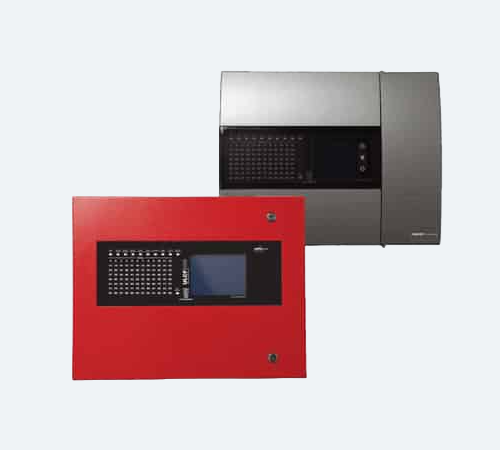
Fire Alarm Panel
- Stock : In Stock
- Category : Fire Detection System
- Sub Category : N/A
- Details : A fire alarm panel (or Fire Alarm Control Panel - FACP) acts as the central brain of a building's fire safety ecosystem. It continuously monitors inputs from detection devices, initiates notification appliances (like sirens and strobes), and can trigger safety sequences like shutting down HVAC systems, closing fire doors, or calling emergency services.
Core Types of Fire Alarm Panels
Panels are categorized based on how they process signal data from field devices:
-
Conventional Panels:
- The building is divided into hardware zones (e.g., "Zone 1: First Floor").
- When a detector triggers, the panel only identifies which zone has the issue, not the exact device.
- Best suited for small commercial buildings, retail shops, or simple layouts.
-
Addressable (Intelligent) Panels:
- Every device (smoke detector, pull station) has a unique digital address.
- The panel pinpoints the exact location of the triggered device (e.g., "Detector 04, Room 202").
- Essential for large complexes, hospitals, and high-rises to enable rapid emergency response.
-
Wireless Systems:
- Uses secure radio frequencies instead of physical data cables to connect sensors to the main panel.
- Ideal for historic properties or operating facilities where pulling new cables through walls is restrictive.
M/S SHIRAJ ENTERPRISE, All right
reserved.